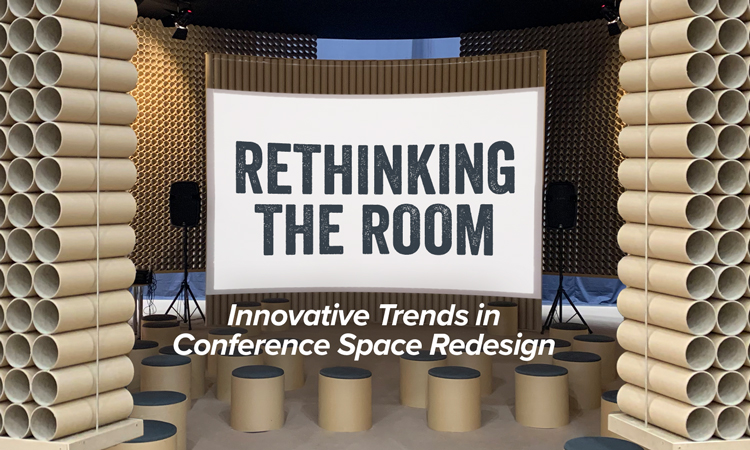
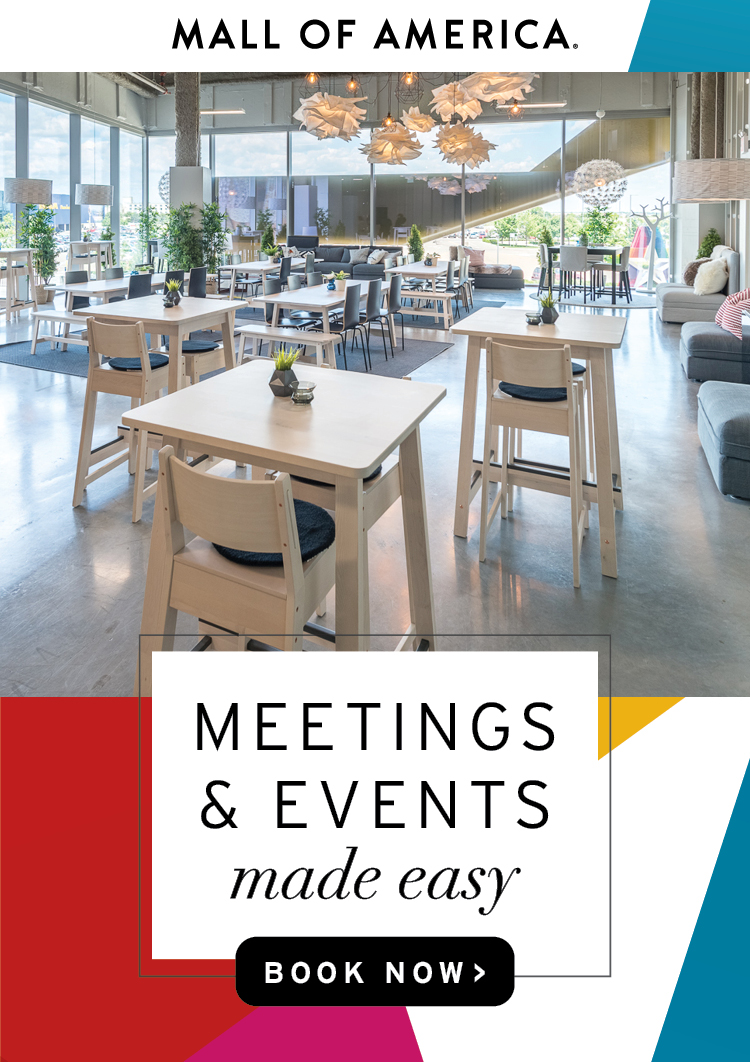
The way we meet is evolving—and so are the spaces that support those meetings. Today’s conference rooms are no longer defined by rows of chairs and a single podium. Instead, venues are reimagining their spaces to foster collaboration, flexibility, and connection. For meeting planners, understanding these design trends is key to creating events that feel fresh, functional, and engaging.
1. Flexible, Modular Layouts
Venues are moving away from fixed room setups in favor of modular furniture that can be quickly reconfigured. Think movable walls, lightweight tables, and stackable seating that allow planners to transition from keynote sessions to breakouts or collaborative workshops without changing rooms. Flexibility means the space can adapt to the agenda—not the other way around.
2. Collaboration-First Design
Conference spaces are being designed with interaction in mind. Circular seating, huddle rooms, and built-in brainstorming zones encourage conversation and teamwork. These layouts support peer-to-peer learning and make it easier for attendees to engage with both speakers and one another.
3. Technology That Blends In
Rather than dominating the room, technology is becoming seamlessly integrated. Built-in screens, wireless presentation tools, advanced acoustics, and improved lighting create a polished experience without visual clutter. Hybrid-ready spaces—designed for both in-person and virtual participation—are now an expectation, not a bonus.
4. Purposeful Use of Outdoor and Nontraditional Spaces
From terraces and courtyards to lobbies and lounges, planners are increasingly using nontraditional spaces for sessions and networking. Natural light and outdoor settings help boost energy, reduce fatigue, and create memorable moments that feel less formal and more engaging.
5. Wellness-Inspired Environments
Well-being is influencing room design in meaningful ways. Improved air quality, biophilic elements, comfortable seating, and intentional lighting support focus and reduce stress. Some venues now offer quiet rooms, movement-friendly layouts, or wellness breaks built directly into the space.
6. Design That Tells a Story
Conference spaces are being curated to reflect a destination’s identity or a brand’s values. Local materials, art, and architectural details help create a sense of place, turning the room itself into part of the experience rather than a neutral backdrop.
7. Sustainability as a Design Standard
Eco-conscious design is no longer optional. Energy-efficient lighting, reusable furnishings, digital signage, and responsibly sourced materials are shaping modern meeting spaces. These choices align with attendee expectations and help planners meet sustainability goals without sacrificing style or function.
As meetings continue to evolve, so must the rooms where they happen. By embracing innovative conference space redesign trends, planners can create environments that inspire creativity, encourage engagement, and support meaningful outcomes.
Explore MeetingPages to discover venues that are rethinking the room—and redefining the meeting experience.